










Important: This article is for informational and educational purposes only. It does not constitute medical advice and should not be used as a substitute for professional medical assessment, diagnosis, or treatment. If you have concerns about your health, please speak to a qualified healthcare professional. Individual results and experiences vary. The information provided describes potential benefits and the experiences of specific individuals; it does not guarantee or predict outcomes for any specific person. This information is not a substitute for assessment by your GP or a specialist healthcare professional. If you are experiencing health concerns, please contact your GP or call NHS 111.
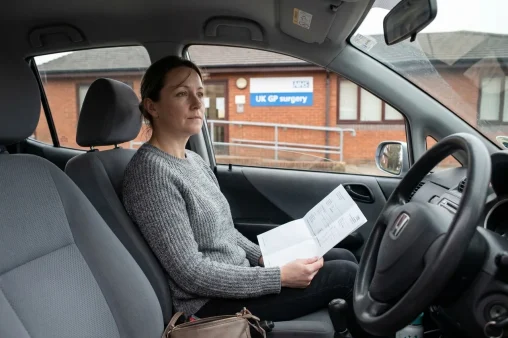
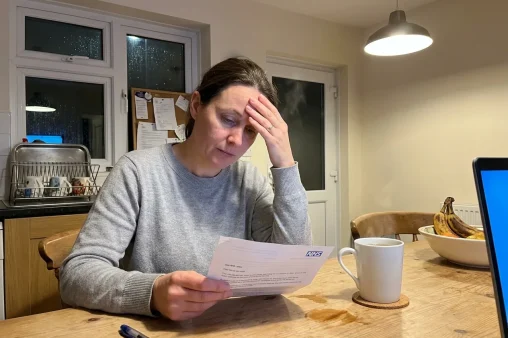
Your blood tests came back normal but you crash every afternoon — bone-deep exhaustion that no amount of sleep, supplements, or holidays has shifted. You’re not imagining it. And the reason nothing has worked is that nobody has investigated what actually caused the breakdown.
Most of my clients invest between £2,000 and £10,000 in root cause burnout recovery, but here’s what matters more than the price: if nobody has investigated why your body broke down in the first place, you’ll keep spending money on approaches that manage what’s on the surface without touching what’s underneath. The full range runs from £80 for a standalone session to £9,999 for an eight-week integrated programme — because a woman with two years of fatigue needs fundamentally different work than someone carrying twenty years of medication layers.
I’ve spent thirty years sitting across from women who’ve done everything right — the sleep hygiene, the supplements, the therapy, the holidays — and nothing has shifted. This guide explains why. By the end, you’ll understand what’s actually driving your exhaustion, what recovery realistically costs, and whether the approach you’re currently taking is likely to work. My aim is to educate you so you make the best decision for your situation. Even if that decision isn’t me.
Key Takeaways
- Burnout compounds monthly. Your body escalates signals from whispers to shouts — not polite reminders
- Normal blood tests don’t mean nothing is wrong. Standard panels test for disease, not for the functional depletion most burned-out women live in
- Rest can’t fix a nervous system locked in alarm mode. Self-care becomes another task on an overwhelmed system
- Recovery while keeping your career is possible, but it requires addressing the root, not the schedule
- Earlier intervention typically means faster recovery — clinical observation and the broader evidence base on stress physiology both suggest that the longer a nervous system remains dysregulated, the more complex the recovery process becomes
Quick Reference: Burnout Recovery Costs in the UK
| Recovery Approach | Typical Cost | What It Addresses |
|---|---|---|
| Standalone session | £80–£444 | Single symptom or initial exploration |
| RootScan Breakthrough | £2,222 | Full diagnostic, remedies, strategy session |
| 8-week integrated programme | £9,999 | Root cause across body, mind, emotions |
| Cost of doing nothing | £8,000–£15,000/year | Accumulated medical spend + lost capacity |
Detailed breakdowns and what drives costs up or down appear in Part 2 below.
What Do We Mean by Root Cause Burnout Recovery?
Root cause recovery investigates why your body broke down — not just what label it earned. It traces your symptoms back to the emotional shock, the sustained pressure, or the unresolved pattern that pushed your nervous system off track. Then it addresses that origin alongside your current symptoms and the organs under strain.
That’s fundamentally different from managing fatigue with supplements or pushing through on caffeine and willpower. Supplements help, yes. But you want to understand why your body is asking for them in the first place. If you’ve been managing symptoms for months or years without improvement, it’s likely because the origin was never addressed — and until it is, the cycle will continue.
What We Cover in This Guide
Why You Are Still Exhausted Despite Doing Everything Right
Your exhaustion isn’t laziness, ageing, or poor self-care. It’s your nervous system stuck in chronic survival mode — running on stress hormones instead of sustainable energy.
Think of your brain as a motherboard. It programmes your body to eat, sleep, and recover. When chronic stress runs through that system for months or years, the programming corrupts. The signals aren’t clear any more.
A two-week holiday doesn’t rewrite corrupted code.
At three months, it looks like tiredness. You push through. At twelve months, your cortisol rhythms have shifted and hormones are disrupted. You’re wired and tired — the kind where sleep doesn’t restore you. At three years and beyond, you start collecting labels. Thyroid. IBS. Anxiety. And a carrier bag of prescriptions managing side effects of other prescriptions.
I know this trajectory because I lived it. I ran a healing restaurant. When my chef abandoned the business, I became everything — chef, HR, front of house, recipe developer. I told myself this is what strength looks like.
My body whispered stop. I didn’t listen. I had a minor stroke. And I kept going. Then COVID put me in bed for six weeks. The body doesn’t negotiate. It escalates the signals until compliance isn’t optional.
The woman sitting at her desk at 6pm, too exhausted to work and too guilty to stop? I was her. And I can tell you from both sides — as the practitioner and as the woman who ignored her own body — that addressing this earlier makes recovery faster and simpler. That’s not pressure. It’s context for your decision.
If you recognise these symptoms, the RootScan Breakthrough Session is the fastest way to understand whether what you’re experiencing is functional depletion rather than a named condition.
If you recognise yourself in what you just read, the next section explains what it actually costs to address this — and why waiting typically increases that cost. (Detailed guides on adrenal fatigue and brain fog are in development.)
What Burnout Recovery Costs in the UK
Holistic burnout recovery ranges from £80 per standalone session to £9,999 for an eight-week integrated programme. Most women invest between £2,000 and £10,000 depending on whether they need a single diagnostic session or a structured protocol addressing body, mind, and emotions simultaneously.
But here’s the number most women never calculate.
By the time someone sits across from me, they’ve typically spent £15,000 to £30,000 on the problem they kept putting off. GP appointments, private specialists, supplements by the carrier bag, therapy sessions, sleep aids. Nobody ever totalled the receipts.
The full breakdown of what holistic burnout recovery costs across the UK — including three pricing tiers and what each tier actually includes — is worth reading before you budget for anything.
And if you think the investment sounds high, consider the real cost of pushing through without addressing the root. Lost working days, medication cascades, and years at half cognitive capacity accumulate faster than any programme fee.
(A guide on natural anxiety treatment costs is in development.)
The Body Signals Your GP Is Not Trained to See
Standard NHS blood panels were designed to detect established disease — not functional depletion. Anaemia, diabetes, thyroid failure, kidney problems. They’re genuinely good at catching those things. I always tell clients: go and see your GP. Get blood tests done. Rule out the serious stuff.
But those panels were never built to detect what burnout actually does. The adrenal exhaustion. The nervous system stuck on permanent high alert. The cortisol rhythm that’s gone flat. Your results sit inside the “normal” range while your body operates at the depleted end of every marker simultaneously.
The system has no way of telling you that.
When those tests come back “normal” and you’re still crashing at 2pm, the investigation hasn’t failed. It’s reached its limit. That’s when you come and see me.
If you’ve been told everything is fine when you know it isn’t, why blood tests return normal when something is genuinely wrong explains exactly what the standard panel measures, what it misses, and what to do next.
Detailed guides on why doctors dismiss women’s symptoms as stress and whether burnout is quietly undermining your leadership are in development.
Why Rest, Self-Care, and Supplements Have Not Worked
Rest can’t reach a nervous system locked in alarm mode. You can go to the garden of weeds, right? You can cut the weeds and the garden looks nice and clean. But until you pull them out from the roots, they’re going to keep on growing. That’s what rest does — it tidies the surface. It doesn’t touch what’s underneath.
Your cortisol — which should rise in the morning and drop at night — goes flat. Stays stuck. Your adrenals are depleted. And a fortnight in Portugal doesn’t reset that programming.
Self-care becomes another obligation. When you’re already overwhelmed, adding a morning journalling practice, breathwork, a cold shower, and a gratitude list isn’t healing. It’s another to-do list on an exhausted system. And when you do it all faithfully and still feel terrible, the unspoken message is that the problem must be you.
It’s not you. The approach was designed for a different problem.
One client shared that her chronic fatigue had persisted despite many previous attempts at treatment. She described carrying a significant emotional burden that she felt unable to express, which she believed was connected to her physical symptoms. Over the course of our work together — combining remedies, coaching, and emotional exploration — she reported a gradual shift in both her confidence and her physical experience. As with all cases, her experience is her own. Individual responses to this kind of integrated work vary and this account does not represent a typical or guaranteed outcome.
No amount of morning yoga was ever going to reach that depth. Not because yoga is bad. Because it was never designed to address what her body was actually holding.
Individual results and experiences vary. This account reflects one person’s experience and is not an indication of what results are typical or guaranteed.
The full picture of why rest, holidays, and self-care haven’t shifted your burnout covers the neuroscience behind this, the research on why wellness programmes fail, and what a genuinely different approach looks like.
Detailed guides on people-pleasing and physical illness, supplement spending without root cause, and sharing your emotional past are coming soon.

[when this started — and what was happening in your life at that point.]
Can You Recover Without Quitting Your Career?
Yes. But not through the approaches you’ve probably tried. Better sleep, supplements, and schedule adjustments manage the exhaustion. They don’t touch the root cause underneath it.
I’ll be straight with you: recovery while working takes longer than recovery with schedule adjustments. That’s the honest trade-off. But the root cause approach works within your existing life because it addresses what’s underneath the burnout — not the diary on top of it.
I think about recovery as a three-legged stool. Root cause — going back to when the imbalance first started. Symptom management — alleviating what’s happening right now. And organ support — putting the scaffolding in to hold your body up while it heals.
Take one leg away and the stool falls over.
One client — a senior legal professional — described years of physical symptoms she had never connected to the emotional weight she was carrying professionally and personally. She reported hormonal irregularities and health concerns that had not responded to previous interventions. Over the course of the programme, she found that addressing both the physical and emotional layers helped her gain clarity she had not previously had. She shared that the coaching element contributed to a significant life decision she had been considering for some time. Her experience — and the outcomes she describes — are her own.
Without the healing, she felt she’d still have been in pain. Without the coaching, she might not have found the clarity. It was both together. That’s the difference. And it’s a big one.
Individual results and experiences vary. This account reflects one person’s experience and does not represent a typical or guaranteed outcome.
The full guide on recovering from burnout without quitting your career covers what the research says about sabbaticals, the subconscious patterns driving overwork, and what a structured protocol around a demanding career actually looks like.
Guides covering burnout recovery for leaders who can’t show weakness and how burnout undermines leadership and business growth are in development.
How Long Recovery Actually Takes
Acute fatigue can shift within weeks. Entrenched burnout with medication layers typically needs 3–18 months. The timeline depends on three factors you can directly influence.
How deep is the root cause? A condition that started two years ago responds faster than one you’ve been carrying for twenty. Let’s go back — that’s always my first question. When did this actually start? Not when did you get the diagnosis. When did you first feel something was off?
How honest are you willing to be? The more you share about your emotional history, the faster the body responds. I’ve had clients take two years to tell me the one thing that mattered most. Before I say this, don’t beat yourself up — it’s not about blame. But the body keeps score, and what you hold back, it holds onto.
Are you doing the work between sessions? Remedies, breathwork, journalling. There’s no magic pill. There is a magic process — if you’re willing to be part of it.
I should be honest about something. If you’ve been on multiple medications for 15–20 years, eight weeks will start the process. It won’t finish it. It’s peeling the onion layer — you address one layer and the next one appears. Some chronic autoimmune conditions respond more slowly, even with full compliance. The limitation is speed and degree, not whether change happens.
In my clinical experience, the majority of clients who engage fully with the process report some degree of shift — though the nature, speed, and extent of that shift varies considerably from person to person. I cannot guarantee outcomes for any individual. But “measurable improvement” and “fully resolved” aren’t the same outcome. I’d rather you knew that now than felt let down later.
A detailed guide on realistic chronic fatigue recovery results is in development. A separate article covering whether an eight-week programme is genuinely enough will also appear here when published.

Who Root Cause Burnout Recovery Is NOT For
I’d rather lose you as a potential client now than disappoint you in week five.
This isn’t the right fit if:
- You want a quick fix. If you expect pharmaceutical-speed results for a condition that’s been building for years, a managed medication approach may suit you better right now
- You’re unwilling to go back into your emotional history. Root cause work requires looking at when it started and what was happening in your life at that point. If you want your fatigue treated without any of that, a single-modality practitioner will serve you better
- You’re in acute psychiatric crisis. Active suicidal thoughts, severe psychosis, or unstable bipolar disorder need specialist care. If there’s an emergency, there’s A&E. Don’t wait for me
- You need a formal medical diagnosis. I look at energetic imbalances. I don’t diagnose. If you need documentation for insurance or employment, see your GP first
- The investment would cause genuine financial hardship. This programme costs £9,999. If that figure would cause real distress rather than a considered stretch, the timing isn’t right. Healing requires stability as its foundation
This IS the right fit if you’ve had your blood tests done, been told everything is normal, and you know something is off. If you’ve tried supplements, therapy, maybe another homeopath, and nothing has lasted. If you’re ready to look at the whole picture — body, mind, emotions — and commit 3–5 hours per week for eight weeks.
The Best Root Cause Approaches for Fatigue in the UK
Four main approaches exist for chronic fatigue in the UK. Each investigates a different depth — and you need to understand where each one stops before deciding which starting point makes sense for you.
Conventional medicine is irreplaceable for ruling out serious pathology. It should always come first. I say this to every client: go to your GP, get the blood work done. But when those tests come back normal, the investigation pathway formally ends. You’re left with “everything’s fine” when you know it isn’t.
Functional medicine goes deeper biochemically. Blood panels, hormone profiles, gut mapping. The testing is thorough, but costs £3,000–£15,000+ over three years once you factor in lab fees and supplements. And often, nobody asks why the gut is compromised or the hormones are disrupted — they just address what the lab results show.
Single-modality holistic practice addresses one dimension well. Homeopathy, hypnotherapy, or nutrition on its own. Effective for contained issues, but when your symptoms span body, mind, and emotions? Nobody’s connecting the dots.
Integrated root cause healing weaves multiple modalities under one practitioner. One person who sees the full picture and treats all three legs of the stool simultaneously. That’s what I do. I’m like a detective — I dig and dig until I find where the railway went off track, and then we bring you back.
How holistic and conventional approaches compare for chronic fatigue is worth reading if you’re trying to decide between pathways. If you’re wondering whether you need a mindset coach, therapist, or holistic practitioner, that comparison walks you through exactly which layer each one addresses.
For named practitioners and honest evaluations, the best holistic practitioners for burnout recovery in the UK compares seven options including my own, with the same criteria applied to everyone.
A detailed guide on the best root cause approaches specifically for chronic fatigue and a separate article on whether the investment in root cause healing is genuinely worth it are being developed.
Frequently Asked Questions About Burnout Recovery
How much does burnout recovery cost?
Standalone sessions start at £80. A diagnostic RootScan is £2,222. The full eight-week programme is £9,999 with payment plans available. Most women who sit across from me have already spent more than that across piecemeal approaches that never found the root. The real question is what you’re currently spending each month on appointments that aren’t getting to the bottom of it.
Can I recover without stopping work?
Yes. The programme requires 3–5 hours per week including sessions and homework. Most of my clients are senior professionals who can’t step away — and shouldn’t have to. The root cause approach works within your existing life because it addresses what’s underneath, not the schedule on top.
Why haven’t rest and supplements helped?
Rest can’t reset a nervous system stuck in alarm mode. Supplements address what’s missing without asking why it went missing. Until someone investigates the root — goes back to when this started and what was happening in your life — the fatigue keeps coming back.
Is eight weeks enough?
For recent burnout, often yes. For conditions with 15–20 years of medication layers, eight weeks starts the process but full resolution may need additional months. I’m honest about that from the outset. I’d rather set the right expectation than promise something I can’t deliver.
What if I’ve tried everything?
Do you know what? Most people haven’t tried everything. They’ve tried the same structural approach — one piece treated in isolation — multiple times with multiple practitioners. Nobody connected the dots. An integrated approach investigating the emotional root alongside the physical symptoms is structurally different from anything you’ve done before.
What are the signs this is more than just stress?
When fatigue persists despite adequate sleep. When your blood tests are normal but you crash every afternoon. When anxiety appeared alongside gut problems or hormonal disruption. Those patterns suggest something deeper than time management. The diagnosis is the tip of the iceberg — there’s usually a whole lot of stuff that’s been building for years underneath.
What do families notice after treatment?
Some clients have shared that family members noticed a change in them — in their energy, their presence, their patience — before they had fully registered it themselves. These are individual observations, and experiences vary. But it reflects something worth naming: when the root cause shifts, the effects are not always limited to the symptom that first brought someone to treatment.
Individual results and experiences vary.
Your Next Step
If you’ve read this far, you know more about burnout recovery than most practitioners will ever explain to you.
You know why rest hasn’t worked and what standard blood tests miss. You’ve got a realistic picture of costs, timelines, and honest limitations.
The question isn’t what’s wrong any more. It’s whether you investigate the root cause or keep managing what’s on top.
I offer a free health audit where we talk through your specific situation. No pitch. No pressure. I listen to what’s going on and honestly tell you whether I can help. If you need your GP first, I’ll say that. If a different practitioner would serve you better, I’ll tell you that too. I’m not here to sell you something. I’m here to help you work out what you actually need.Book a free 30-minute health audit
If you already know you want to understand what your body is telling you, the RootScan Breakthrough Session maps the imbalances nobody else has looked for. If you want to see the full eight-week programme, the Rooted Radiance Immersion page walks you through every session.
Not ready for a conversation? That’s genuinely fine. Bookmark this guide. Come back when the timing is right.
All Articles in This Guide
Understanding the Root Causes
- Why do my blood tests come back normal when I know something is wrong? — What standard NHS panels actually measure, what they miss, and what to do when “normal” doesn’t match how you feel.
- Why have rest, holidays, and self-care not fixed my burnout? — The neuroscience behind why your nervous system ignores your holiday and what a genuinely different approach looks like.
Costs and Investment
- How much does holistic healing for burnout actually cost in the UK? — Three pricing tiers, hidden costs most buyers miss, and a framework for evaluating any practitioner’s quote.
- What is the real cost of doing nothing about my burnout and chronic fatigue? — The financial, career, and relationship costs that accumulate every month you push through without addressing the root.
Recovery While Working
- Can I actually recover from burnout without quitting my job or stepping back? — Why sabbaticals often fail, the subconscious patterns driving overwork, and what structured recovery around a demanding career actually involves.
Comparing Your Options
- Holistic healing vs conventional medicine for chronic fatigue — an honest comparison — What each approach investigates, where each one falls short, and five decision questions to determine which path fits.
- Mindset coach vs therapist vs holistic practitioner — which do I actually need? — Each addresses a different layer. This comparison shows which layer your problem primarily lives in.
- Who are the best holistic practitioners for burnout recovery in the UK? — Seven UK practitioners evaluated against the same five criteria, with honest limitations named for every option including Rise Radiantly.